Background
'Irelands Racing Academy - driven by passion & pride'. Download Racing Post article (left) 
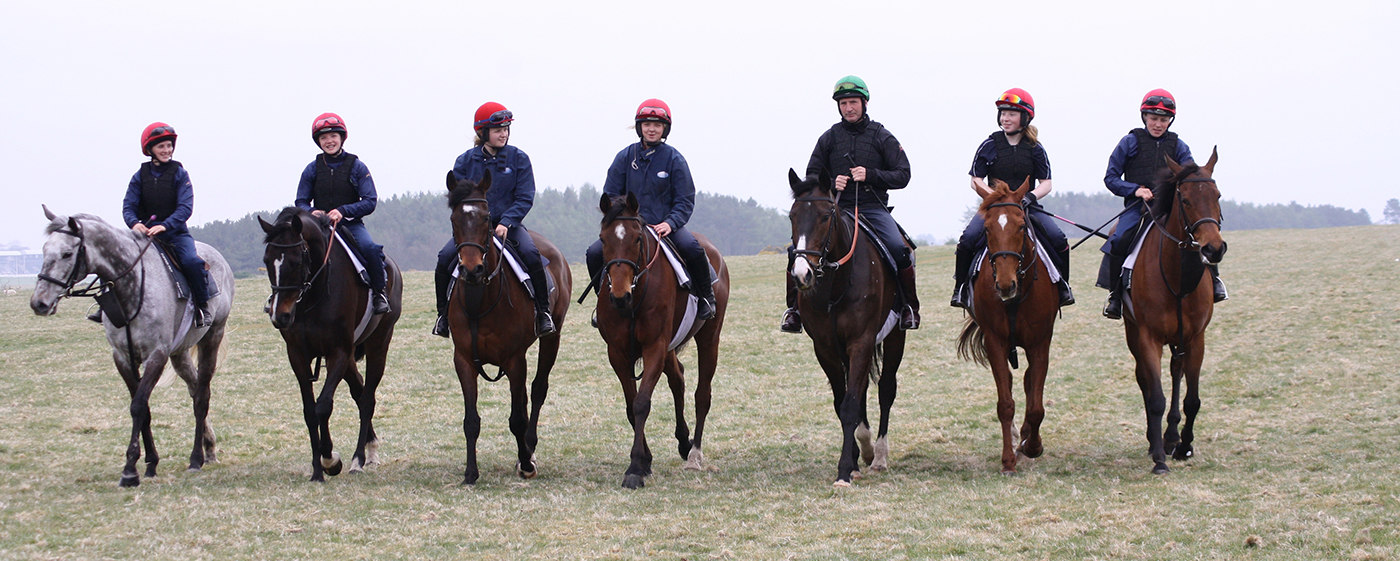
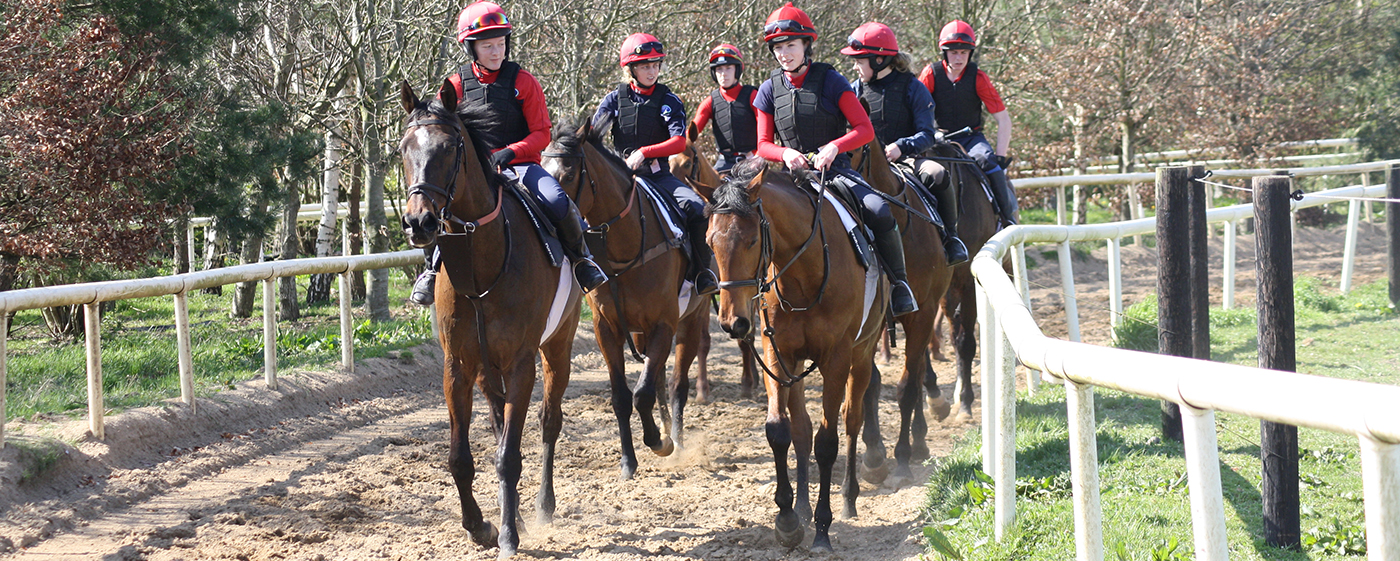
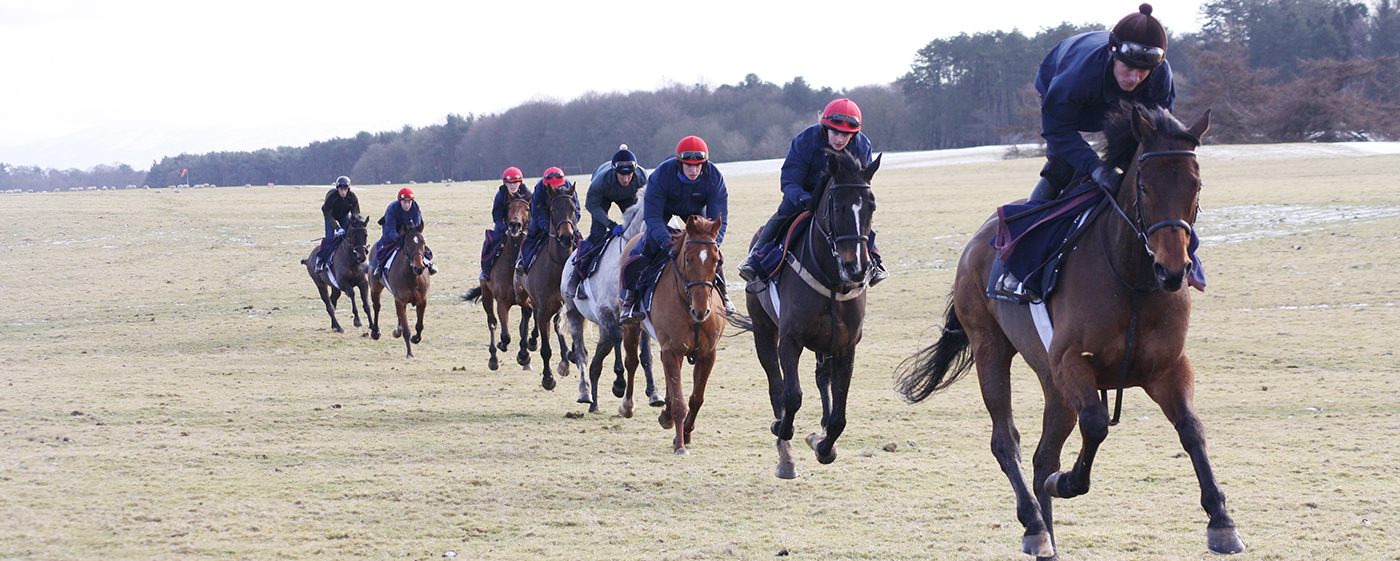
The course, which has recently been upgraded to full Traineeship status under the FÁS system, aims to provide young people with the skills, knowledge and attitudes to ride and care for horses so as to gain employment and career opportunities within the thoroughbred industry. Graduates of this course hold responsible positions in the racing industry all over the world and many have gone on to achieve great success on the track such as Johnny Murtagh, Conor O'Dwyer, Cathy Gannon and Robert Winston.
Since its inception in 1973, RACE has developed a purpose built facility, situated on the edge of Kildare town in the heartland of the Irish thoroughbred racing and breeding industry, where trainees live, study and work in a campus environment.
Successful participants are awarded the FETAC National Skills Certificate – Trainee Jockey and can attain a full Level 4 certificate on the National Framework of Qualifications. They can also receive European certification through the EQUES (European Qualification for Stable Employees) programme in stable management, riding skills and conversational French.
Completion of the Traineeship enables some participants to sign on as apprentice jockeys and others to be employed as stable staff progressing to roles such as groom, work rider, travelling head lad or assistant trainer.
As a sports academy, RACE doesn't just work on the individual's skill, technique and fitness but also seeks the full development of the person. Success in sport demands sacrifice, endurance and the ability to deal with ups and downs. Only those who really want to achieve will succeed. RACE aims to create an environment that encourages discipline, respect, excellence and a good work ethic. In this way, participants receive professional training for their sport and a solid preparation for life.
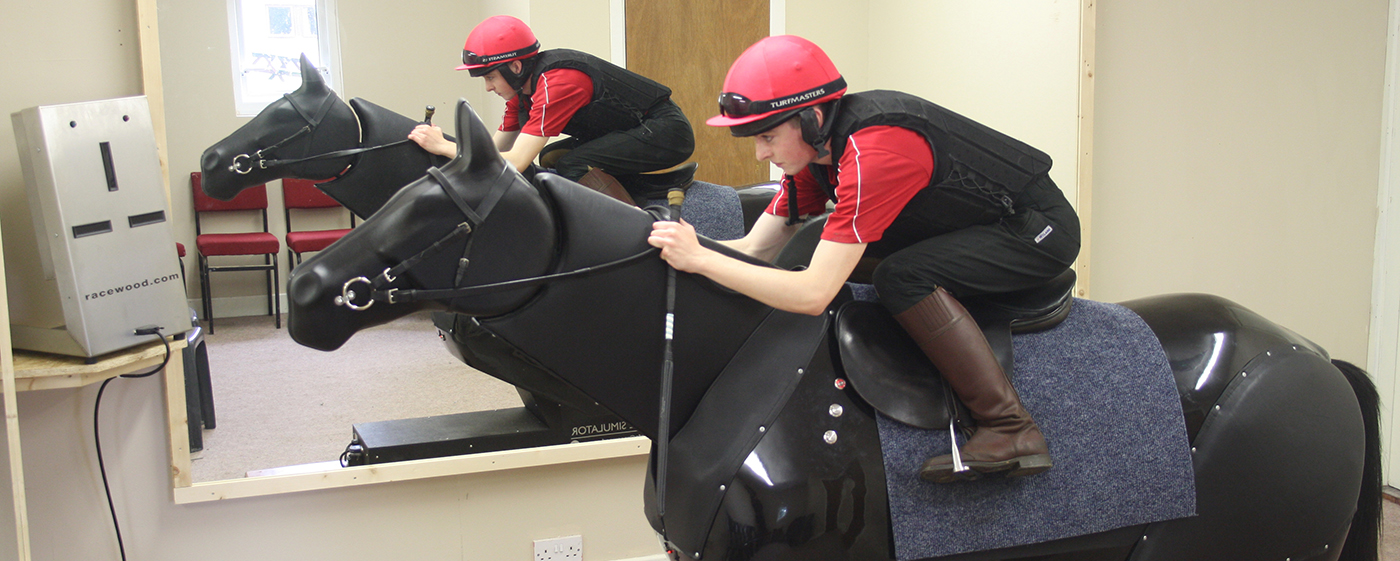
Evening activities, including horse simulator training, art, gym and fitness, pastoral care plus responsibility for daily tasks and duties supports the personal development of trainees in the transition from school to work.
>> Click to Print This Page | Back to top